
Meet the Microbial Predators: A Deep Dive into Nematodes and Protists of the Soil
Dr. Carla Portugal will lead the conversation with Entomologist and Chemical Ecologist, Professor Ted Turlings, Microbial Ecologist, Professor Edward Mitchell, Dr . Elaine Ingham, and Dr. Adrienne Godschalx of the Soil Food Web School.
Speakers
-
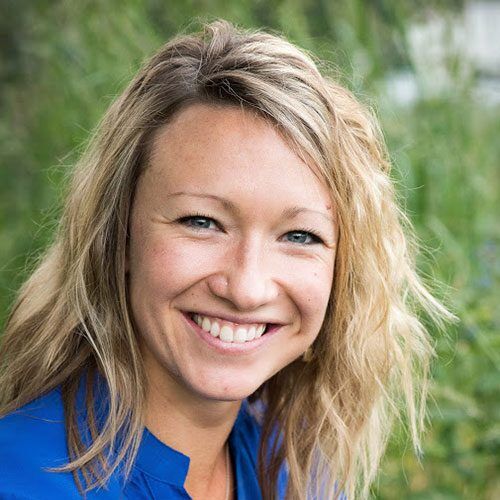 Dr. Adrienne GodschalxSoil Food Web School Mentor and Researcher
Dr. Adrienne Godschalx studied chemical ecology at Portland State University and conducted her PhD research on nitrogen-fixing rhizobia and how a plant’s belowground symbiosis can affect leaf chemistry, and as a result, the plant’s relationship with insects, both herbivore pests and beneficial predators. She pursued her research further as a postdoc at the University of Neuchâtel in Switzerland, where she investigated the volatile organic compounds plants emit as signals to microbes and insects. When Adrienne started working as a Mentor for the Soil Food Web School, she was bewildered by the potency of the soil food web in plant health and plant-insect interactions: that leaving the harmful -icides aside and restoring the soil food web can nourish nutrient-rich, naturally-defended plants. Adrienne is thrilled to have a tangible way to engage in symbiosis with the beautiful wild world.
-
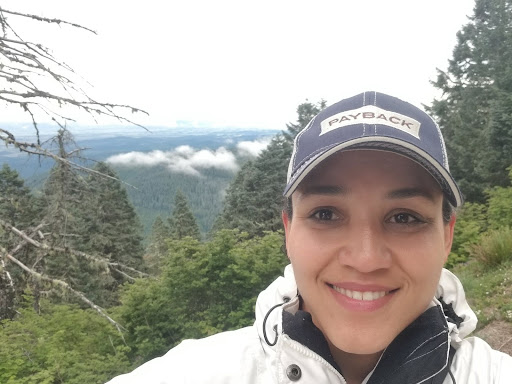 Dr. Carla R M e PortugalSoil Food Web School Mentor and Researcher
Growing up in Brazil, the daughter of a forest engineer and an agronomist, science, and nature was part of her childhood. Since she can remember, Carla was attracted to all life forms but the small and micro ones always had a special place in her heart. Graduated in Biological Science with a minor in Teaching, Carla’s path developed by connecting scientific knowledge development and teaching, focusing on breaking the barrier and shorting the distances between academia and the practical world. Carla finished her Ph.D. in Environmental Sciences at Oregon State University (OSU) looking for the microbe’s power to minimize human impact on this planet. Her experiences as part of the team that built an educational center category II of UNESCO in Water back in Brazil, plus her years of consulting experience in the private sector and for the government in environmental impacts regulations and legislation, prepared Carla to better support and guide research, workshops, and teaching at Dr. Elaine Soil Food Web School. One of her main interests is the interconnection among the microbes in the soils and how the nutrient cycling efficiency affects plant and human nutrition.
-
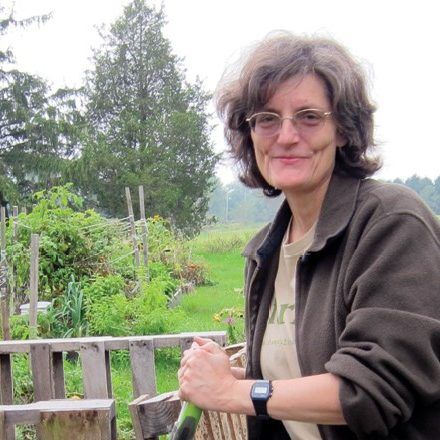
 Dr. Elaine InghamFounder, Soil Food Web School
Dr. Ingham has advanced our knowledge about the soil food web for over 4 decades. Widely recognized as the world’s foremost soil biologist, she’s passionate about empowering ordinary people to bring the soils in their community back to life.
Dr. Elaine’s™ Soil Food Web Approach has been used to successfully restore the ecological functions of soils on six continents. The courses offered by Dr. Elaine’s™ Soil Food Web School have been designed for people with no relevant experience – making them accessible to individuals who wish to retrain and to begin a meaningful and impactful career in an area that will help to secure the survival of humans and other species.
B.A., Biology and Chemistry, St. Olaf College
M.S., Microbiology, Texas A&M University
Ph.D., Microbiology, Colorado State University -
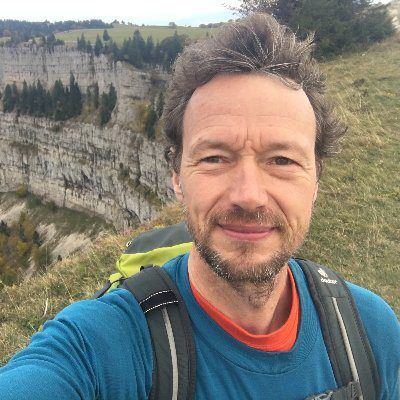 Prof. Edward MitchellMicrobial Ecologist
Professor Mitchell has led the Laboratory of Soil Biology at the University of Neuchâtel, Switzerland since 2009. His research focuses primarily on soil biodiversity and ecology with a strong focus on a group of free-living protozoa, the testate amoebae. Mitchell is interested in understanding the diversity and functional roles of poorly known soil organisms, the response of soil communities to natural gradients, present and past ecosystem dynamics and the effects of human activities on ecosystems.
-
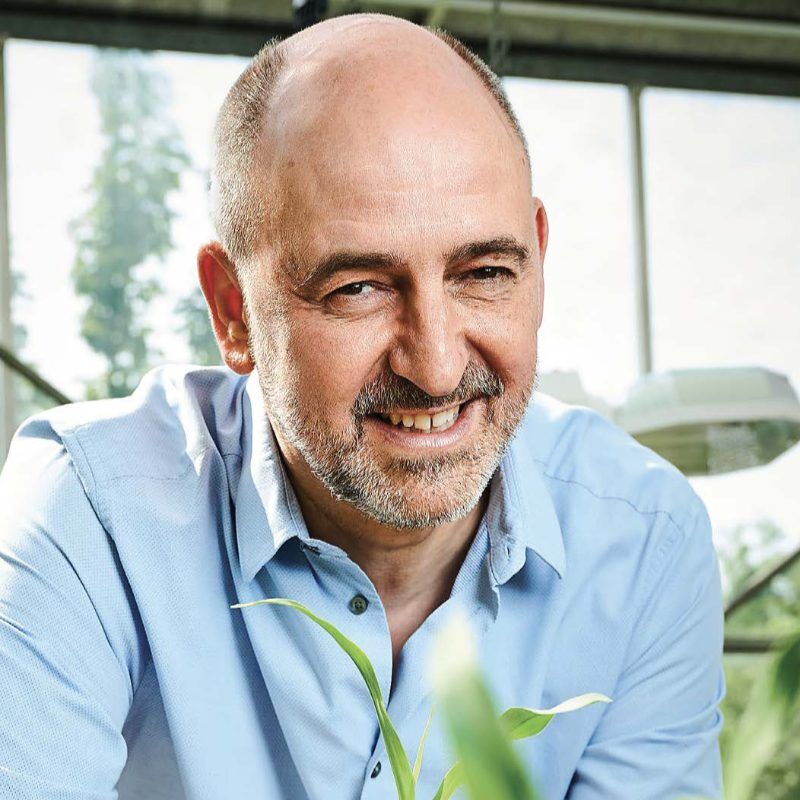 Prof. Ted TurlingsEntomologist, Chemical Ecologist
Ted Turlings is a national of the Netherlands and did his studies at Leiden University, where he obtained a bachelors and masters degree in Biology with a specialization in Ecology. In 1985, he moved to the University of Florida to conduct a PhD in Entomology/Chemical Ecology under the direction of James Tumlinson. During his PhD he discovered that insect-damaged plants emit specific volatile signals that attract parasitic wasps. The discovery of herbivore-induced volatiles has led to numerous follow-up studies by dozens of research groups, which resulted in thousands of publications on the topic. After a brief post-doctoral period in Florida he moved to Switzerland in 1993. He first spent three years at the ETH-Zurich and in 1996 he obtained a prestigious START-fellowship, which he took at the University of Neuchâtel to start his own research group. Eventually, he was nominated full professor at the same university where he helped to establish the National Centre of Competence in Research Plant Survival, a swiss-wide research network that he directed for four years.
Currently, he is head of the laboratory of Fundamental and Applied Research in Chemical Ecology (FARCE), which focuses on the use of plant-produced signals to improve crop protection. He has obtained a prestigious advanced grant from the European Research Council. He also established and directed a doctoral program for PhD students and is co-director of an international masters in Integrated Crop Management. In addition, he is director of the newly established Center of Competence in Chemical Ecology (C3E) at the University of Neuchâtel. He has received several awards related to the field of chemical ecology and is a member of various scientific societies, including the Swiss Academy of Sciences.